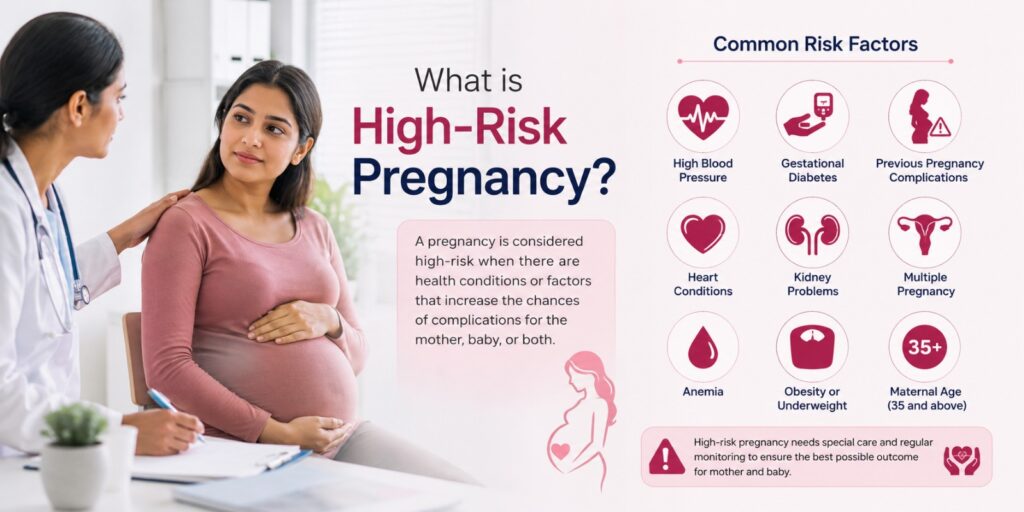
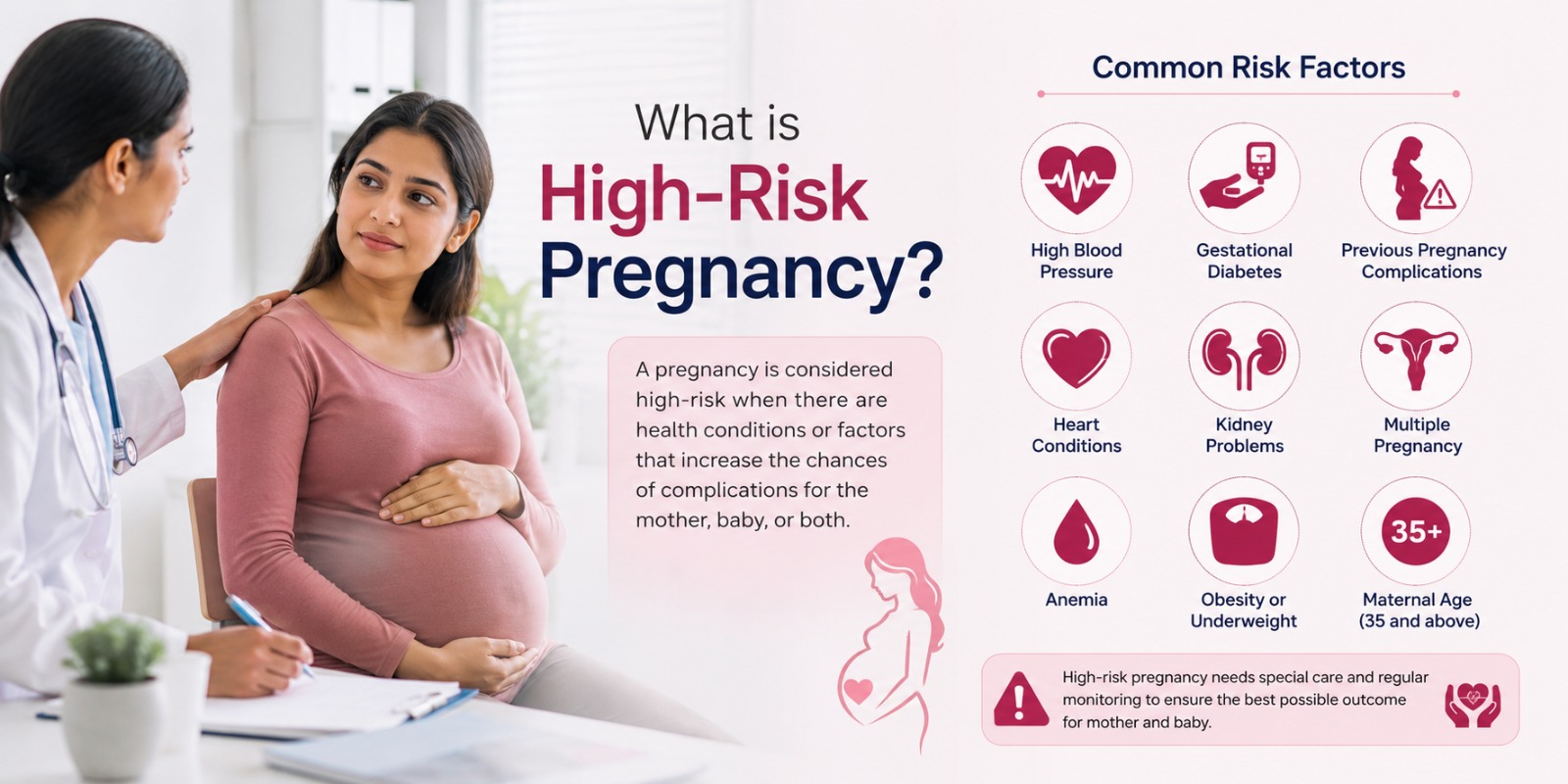
A high-risk pregnancy is a pregnancy in which the mother, baby, or both have a higher chance of developing health complications before, during, or after delivery. Although the term may sound concerning, many women with high-risk pregnancies deliver healthy babies with proper prenatal care, regular monitoring, and timely medical treatment.
What is High-Risk Pregnancy?
A high-risk pregnancy is a pregnancy in which the mother, baby, or both have a higher chance of developing health complications before, during, or after delivery. It may occur due to pre-existing medical conditions, pregnancy-related complications, maternal age, or multiple pregnancies. Women with high-risk pregnancies usually need more frequent prenatal checkups and specialized monitoring to ensure the health of both mother and baby. With early diagnosis and proper medical care, many high-risk pregnancies result in healthy pregnancies and safe deliveries.
Who is Considered to Have a High-Risk Pregnancy?
A high-risk pregnancy is diagnosed when certain medical conditions, maternal age, pregnancy complications, or lifestyle factors increase the likelihood of health risks for the mother or baby. These pregnancies require closer prenatal monitoring and specialized medical care.
- Women under 18 or over 35 years are at a higher risk of pregnancy complications.
- Pre-existing medical conditions such as diabetes, high blood pressure, thyroid disorders, heart disease, or kidney disease can make pregnancy high-risk.
- Multiple pregnancies, including twins, triplets, or higher-order multiples, require additional monitoring.
- Women who develop gestational diabetes, preeclampsia, pregnancy-induced hypertension, or placenta previa during pregnancy are considered high-risk.
- A history of miscarriage, preterm birth, stillbirth, or previous pregnancy complications increases the risk in future pregnancies.
- Obesity or being significantly underweight can affect maternal and fetal health.
- Smoking, alcohol consumption, drug use, or untreated infections during pregnancy increase the chances of complications.
- Women carrying a baby with genetic abnormalities or fetal growth problems may require specialized maternal-fetal care.
Common Causes of High-Risk Pregnancy
Several medical conditions, pregnancy-related complications, and lifestyle factors can increase the risk of a high-risk pregnancy and require closer medical supervision.
- Pre-existing Medical Conditions: Diabetes, high blood pressure, thyroid disorders, heart disease, kidney disease, and autoimmune disorders.
- Advanced or Young Maternal Age: Pregnancy in women under 18 years or over 35 years carries a higher risk of complications.
- Pregnancy-Related Complications: Conditions such as gestational diabetes, preeclampsia, pregnancy-induced hypertension, and placenta previa.
- Multiple Pregnancy: Carrying twins, triplets, or more increases the risk of premature birth and low birth weight.
- Previous Pregnancy Complications: A history of miscarriage, stillbirth, preterm delivery, or cesarean section may increase future pregnancy risks.
- Lifestyle Factors: Smoking, alcohol consumption, drug use, poor nutrition, and obesity can negatively affect pregnancy outcomes.
- Infections During Pregnancy: Untreated viral, bacterial, or sexually transmitted infections can lead to complications for both mother and baby.
- Genetic or Fetal Conditions: Certain chromosomal abnormalities or congenital disorders in the baby may classify the pregnancy as high-risk.
High-Risk Pregnancy Symptoms & Causes
A high-risk pregnancy may develop due to medical conditions, pregnancy-related complications, or lifestyle factors and often presents with warning signs that require immediate medical attention.
High-Risk Pregnancy Symptoms
- Vaginal bleeding or unusual watery discharge.
- Sudden decrease or absence of fetal movement.
- Severe, persistent headaches.
- Blurred vision or dizziness.
- Sudden swelling of the face, hands, or fingers.
- Severe abdominal or pelvic pain and cramping.
- High fever or chills.
- Persistent nausea and vomiting.
- Regular contractions before 37 weeks (preterm labor).
- Shortness of breath or chest pain, especially if severe.
Common Causes
- Pre-existing medical conditions such as diabetes, high blood pressure, thyroid disease, heart disease, or kidney disease.
- Pregnancy-related complications, including gestational diabetes, preeclampsia, and placenta previa.
- Multiple pregnancies, such as twins or triplets.
- Maternal age below 18 years or above 35 years.
- Smoking, alcohol consumption, drug use, or untreated infections during pregnancy.
- Previous pregnancy complications, including miscarriage, preterm birth, or stillbirth.
- Genetic or fetal abnormalities affecting the baby’s development.
Book an Appointment Today for Expert Pregnancy Care
Tests and Monitoring During a High-Risk Pregnancy
Women with a high-risk pregnancy require regular tests and close monitoring to detect complications early and ensure the health of both the mother and baby throughout pregnancy.
- Frequent Prenatal Checkups: Regular visits to monitor maternal health and the baby’s growth.
- Ultrasound Scans: Assess fetal growth, development, amniotic fluid levels, and placental position.
- Blood Tests: Check for anemia, infections, blood sugar levels, and other medical conditions.
- Urine Tests: Detect protein, sugar, or signs of urinary tract infections.
- Blood Pressure Monitoring: Helps identify pregnancy-induced hypertension and preeclampsia.
- Non-Stress Test (NST): Monitors the baby’s heart rate and response to movement.
- Biophysical Profile (BPP): Combines an ultrasound with an NST to evaluate the baby’s overall well-being.
- Doppler Ultrasound: Measures blood flow between the placenta and the baby to identify circulation problems.
- Glucose Screening Test: Detects gestational diabetes during pregnancy.
- Fetal Movement Monitoring: Mothers may be advised to perform daily kick counts to track the baby’s activity.
High-Risk Pregnancy Treatment and Management
The treatment and management of a high-risk pregnancy depend on the underlying condition and focus on protecting the health of both the mother and baby through specialized care, regular monitoring, and timely medical intervention.
- Frequent Prenatal Visits: Regular checkups with an obstetrician or maternal-fetal medicine specialist to closely monitor pregnancy.
- Advanced Monitoring: Routine ultrasound scans, blood tests, urine tests, and Non-Stress Tests (NST) to assess the baby’s growth and well-being.
- Management of Medical Conditions: Safe medications and regular monitoring to control diabetes, high blood pressure, thyroid disorders, or other chronic illnesses.
- Lifestyle Modifications: Follow a healthy prenatal diet, stay physically active only if approved by your doctor, get adequate rest, and stay hydrated.
- Avoid Harmful Substances: Completely avoid smoking, alcohol, and recreational drugs throughout pregnancy.
- Medication When Needed: Doctors may prescribe medications to prevent complications, reduce the risk of preterm labor, or support fetal development.
- Hospitalization: In severe cases, hospital admission or bed rest may be recommended for close observation and treatment.
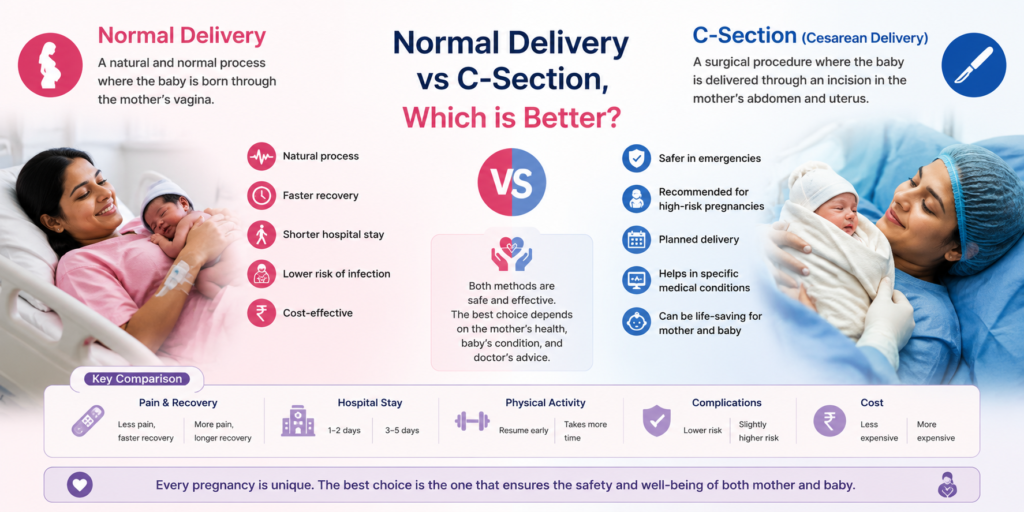
- Planned Delivery: If continuing the pregnancy poses risks, doctors may recommend an early or planned delivery to ensure the safety of both mother and baby.
Lifestyle Tips for a Healthy High-Risk Pregnancy
Following a healthy lifestyle and your doctor’s advice can help reduce complications and improve outcomes during a high-risk pregnancy.
- Attend all prenatal appointments to monitor your health and the baby’s development.
- Eat a balanced, nutrient-rich diet with plenty of fruits, vegetables, whole grains, lean proteins, and healthy fats.
- Take prenatal vitamins and folic acid exactly as prescribed by your healthcare provider.
- Stay hydrated by drinking enough water throughout the day.
- Get adequate rest and sleep to support your physical and emotional well-being.
- Exercise safely with your doctor’s approval, such as walking or prenatal yoga, if appropriate.
- Monitor blood pressure and blood sugar regularly if you have hypertension or diabetes.
- Avoid smoking, alcohol, and recreational drugs, as they can increase the risk of pregnancy complications.
- Manage stress through relaxation techniques, deep breathing, meditation, or gentle activities recommended by your doctor.
- Watch for warning signs such as vaginal bleeding, severe headaches, reduced fetal movement, or swelling, and seek medical care immediately if they occur.
- Follow your treatment plan carefully, including taking prescribed medications and following any activity restrictions advised by your doctor.
Can a High-Risk Pregnancy Result in a Healthy Baby?
Yes, many women with a high-risk pregnancy deliver healthy babies with proper prenatal care and timely medical treatment. Regular monitoring, early diagnosis of complications, and following the advice of an obstetrician or maternal-fetal medicine specialist can significantly improve pregnancy outcomes. Maintaining a healthy lifestyle and attending all prenatal appointments also help ensure the best possible health for both the mother and the baby.
How to Reduce the Risk of Pregnancy Complications?
Following healthy lifestyle habits and receiving regular prenatal care can help lower the risk of pregnancy complications and support a healthier pregnancy.
- Schedule a pre-pregnancy health checkup if you are planning to conceive.
- Manage chronic conditions such as diabetes, high blood pressure, and thyroid disorders before and during pregnancy.
- Attend all prenatal appointments for early detection and treatment of complications.
- Eat a balanced, nutrient-rich diet and maintain a healthy weight.
- Take prenatal vitamins and folic acid as recommended by your doctor.
- Stay physically active with safe exercises approved by your healthcare provider.
- Avoid smoking, alcohol, and recreational drugs throughout pregnancy.
- Stay hydrated and get enough rest every day.
- Monitor blood pressure, blood sugar, and fetal movements if advised.
- Seek immediate medical attention if you notice warning signs such as vaginal bleeding, severe headaches, reduced fetal movement, or severe abdominal pain.
What is High-Risk Pregnancy? FAQs
1. What is a high-risk pregnancy?
A high-risk pregnancy is a pregnancy in which the mother, baby, or both have a greater chance of developing health complications before, during, or after delivery. It requires closer medical supervision and regular prenatal care.
2. What causes a high-risk pregnancy?
Common causes include diabetes, high blood pressure, thyroid disorders, multiple pregnancies, advanced maternal age, pregnancy complications such as preeclampsia or gestational diabetes, and unhealthy lifestyle habits like smoking or alcohol use.
3. What are the warning signs of a high-risk pregnancy?
Warning signs include vaginal bleeding, reduced fetal movement, severe headaches, blurred vision, sudden swelling of the face or hands, severe abdominal pain, fever, and persistent vomiting. Seek immediate medical attention if you experience any of these symptoms.
4. Can a high-risk pregnancy result in a healthy baby?
Yes. With early diagnosis, regular prenatal checkups, specialized medical care, and a healthy lifestyle, many women with high-risk pregnancies deliver healthy babies.
5. Who is most likely to have a high-risk pregnancy?
Women under 18 or over 35 years of age, those with chronic medical conditions, multiple pregnancies, previous pregnancy complications, or unhealthy lifestyle habits are more likely to have a high-risk pregnancy.
6. How is a high-risk pregnancy managed?
Management includes frequent prenatal visits, specialized monitoring, ultrasound scans, blood tests, medications when needed, lifestyle modifications, and care from a maternal-fetal medicine specialist.