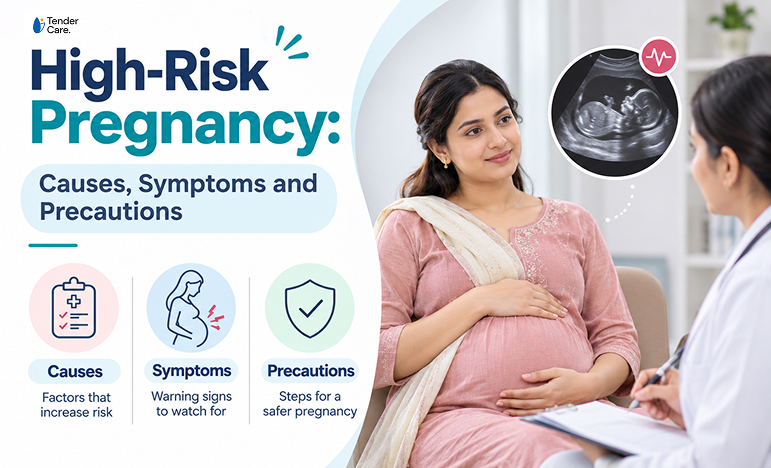
A high-risk pregnancy is one in which the mother, baby, or both may have a higher chance of developing health complications during pregnancy, childbirth, or after delivery. It requires regular medical monitoring, timely investigations, and appropriate care to reduce potential risks.
Certain medical conditions, pregnancy-related complications, age, and lifestyle factors can increase the chances of a high-risk pregnancy. However, with early diagnosis, regular antenatal check-ups, and proper medical guidance, many women with high-risk pregnancies can have healthy pregnancies and deliveries.
What Is a High-Risk Pregnancy?
A high-risk pregnancy refers to a pregnancy that needs additional medical attention because of factors that may affect the health of the mother or developing baby.
A pregnancy may be considered high-risk if the mother has an existing health condition, develops complications during pregnancy, or has a medical or obstetric history that requires closer observation.
High-risk does not necessarily mean that complications will occur. It means that the pregnancy needs specialised monitoring and individualised care.
Causes of High-Risk Pregnancy
Several factors can increase the possibility of complications during pregnancy. The common causes of high-risk pregnancy include:
1. Maternal Age
- Pregnancy after 35 years: May increase the risk of gestational diabetes, high blood pressure, chromosomal conditions, and certain pregnancy complications.
- Teenage pregnancy: May be associated with a higher risk of anaemia, premature birth, and low birth weight.
2. Existing Medical Conditions
Certain health conditions present before pregnancy may increase the need for specialised care, including:
- Diabetes: May affect the mother’s health and the baby’s growth.
- High blood pressure: Can increase the risk of pre-eclampsia and other complications.
- Thyroid disorders: Uncontrolled thyroid conditions may affect pregnancy outcomes.
- Heart and kidney diseases: May require additional monitoring during pregnancy.
- Autoimmune conditions: Certain conditions can affect the mother and developing baby.
3. Pregnancy-Related Complications
Some complications develop during pregnancy and may make it high-risk, such as:
- Gestational diabetes
- Pre-eclampsia
- Placenta previa
- Low-lying placenta
- Cervical insufficiency
- Reduced fetal growth
- Excessive or low amniotic fluid
4. Previous Pregnancy Complications
A history of certain pregnancy-related problems may increase the need for closer monitoring in a subsequent pregnancy.
These include:
- Previous miscarriage or recurrent pregnancy loss
- Previous premature delivery
- Stillbirth or neonatal complications
- Previous caesarean delivery or other uterine surgery
- Previous pregnancy involving pre-eclampsia or gestational diabetes
5. Multiple Pregnancy
Carrying twins, triplets, or more babies increases the possibility of complications such as premature delivery, low birth weight, and pregnancy-related high blood pressure. Such pregnancies generally require more frequent medical assessments.
Planning a pregnancy or already expecting? Early assessment can help identify risk factors and establish an appropriate care plan. Consult the obstetrics team at Tender Care Hospital, Bhopal, for pregnancy evaluation and guidance on antenatal care.
Symptoms and Warning Signs of High-Risk Pregnancy
A high-risk pregnancy does not always cause noticeable symptoms. Some conditions, such as high blood pressure and gestational diabetes, may develop without obvious warning signs. Regular antenatal check-ups are therefore essential.
However, certain symptoms during pregnancy need prompt medical attention.
Common warning signs of pregnancy complications include:
- Vaginal bleeding or fluid leakage
- Severe abdominal pain or persistent cramps
- Severe headache, especially with blurred vision
- Sudden swelling of the face or hands
- Persistent vomiting or inability to keep fluids down
- Breathing difficulty or chest pain
- Fever or signs of infection
- Reduced or absent fetal movements after the stage when movements are regularly felt
- Pain or burning during urination
These symptoms do not always indicate a serious complication, but they should not be ignored. Seek urgent medical assessment for severe symptoms, bleeding, fluid leakage, chest pain, breathing difficulty, or reduced fetal movements.
How Is a High-Risk Pregnancy Diagnosed?
A doctor evaluates the mother’s medical history, current health, pregnancy progress, and the baby’s development to identify possible risks.
Common assessments may include:
- Medical history and physical examination: To identify existing health conditions and previous pregnancy complications.
- Blood and urine tests: To check blood sugar, haemoglobin, infections, kidney function, and other relevant health indicators.
- Ultrasound scans: To monitor fetal growth, development, placental position, and amniotic fluid.
- Blood pressure monitoring: To identify hypertension and signs of pre-eclampsia.
- Fetal monitoring: To assess the baby’s heart rate and well-being when clinically required.
- Additional specialised tests: Depending on the mother’s condition and pregnancy-related risks.
Need closer monitoring during pregnancy? At Tender Care Hospital, Bhopal, expectant mothers can seek medical consultation for pregnancy-related concerns, antenatal assessments, and guidance on appropriate maternal care. Timely evaluation helps doctors identify concerns and plan the next steps.
Precautions for a High-Risk Pregnancy
Following medical advice and adopting healthy habits can help manage several pregnancy-related risks. The following high-risk pregnancy precautions are important:
1. Attend Regular Antenatal Check-ups
Do not miss scheduled pregnancy appointments. Regular check-ups help monitor blood pressure, blood sugar, maternal health, and fetal growth.
2. Follow a Balanced Diet
Include nutritious foods such as fruits, vegetables, whole grains, pulses, dairy products, and appropriate sources of protein. Follow your doctor’s advice regarding dietary restrictions or supplements.
3. Take Prescribed Medicines and Supplements
Take medicines, iron, calcium, folic acid, or other supplements only as advised by your doctor. Do not stop prescribed medicines or start new medicines without medical guidance.
4. Monitor Blood Pressure and Blood Sugar
Women with hypertension, diabetes, or a history of these conditions may need regular monitoring. Follow the recommended testing schedule and treatment plan.
5. Avoid Smoking and Alcohol
Avoid smoking, tobacco, alcohol, and exposure to second-hand smoke during pregnancy. These can increase the risk of complications and affect fetal development.
6. Get Adequate Rest
Maintain a healthy sleep routine and take rest as needed. Discuss safe physical activity and exercise with your doctor, as recommendations may differ depending on pregnancy complications.
7. Maintain a Healthy Weight
Follow medical guidance on appropriate weight gain during pregnancy. Avoid crash diets, fasting for weight loss, or restrictive eating plans.
8. Track Your Baby’s Movements
Once you begin feeling regular fetal movements, pay attention to any noticeable reduction or change. Contact your maternity care team promptly if movements decrease.
9. Avoid Self-Medication
Do not take over-the-counter medicines, herbal products, or supplements without consulting your doctor. Some medicines may not be suitable during pregnancy.
Every high-risk pregnancy needs an individual care plan. The right precautions depend on the mother’s medical history, the stage of pregnancy, and the specific risk factors. Speak with an obstetrician at Tender Care Hospital to understand which precautions and monitoring schedule are appropriate for your pregnancy.
Treatment and Management of High-Risk Pregnancy
The management of high-risk pregnancy depends on the underlying condition and its severity. The goal is to protect maternal health, monitor the baby’s development, and identify complications early.
Treatment and monitoring may include:
- Medication management: To control conditions such as high blood pressure, diabetes, or thyroid disorders.
- Frequent antenatal visits: To monitor the mother’s health and pregnancy progress.
- Specialised ultrasound scans: To assess fetal growth, placental health, and amniotic fluid.
- Fetal monitoring: To check the baby’s well-being when required.
- Dietary and lifestyle guidance: To support maternal health and manage risk factors.
- Hospital admission: May be recommended if the mother or baby requires close observation or treatment.
- Planned delivery: The timing and mode of delivery are decided according to maternal and fetal health.
When Should You Consult a Doctor?
Contact your obstetrician if you have an existing medical condition, a history of pregnancy complications, or concerns about your current pregnancy.
Seek immediate medical attention if you experience:
- Heavy vaginal bleeding
- Severe abdominal pain
- Severe headache with vision changes
- Sudden swelling of the face or hands
- Fluid leakage from the vagina
- Reduced or absent fetal movements
- Chest pain or difficulty breathing
- Seizures or loss of consciousness
High-Risk Pregnancy Care at Tender Care Hospital, Bhopal
Managing a high-risk pregnancy requires timely medical evaluation, regular antenatal monitoring, and guidance based on the mother’s and baby’s health needs.
Tender Care Hospital, Bhopal, provides women and child healthcare services with a focus on maternal care and pregnancy-related medical needs. The hospital has 40 beds, offers 24/7 emergency care, and has served more than 25,000 families.
Expectant mothers can consult the hospital’s medical team for pregnancy-related concerns, antenatal guidance, and advice on appropriate care and monitoring.
Book a pregnancy consultation at Tender Care Hospital, Bhopal, to discuss your health concerns and understand the care required during pregnancy.
Frequently Asked Questions (FAQs)
1. What is considered a high-risk pregnancy?
A pregnancy is considered high-risk when certain medical, maternal, or pregnancy-related factors increase the possibility of complications for the mother or baby. It requires closer medical monitoring.
2. What are the common causes of high-risk pregnancy?
Common causes include maternal age below 17 or above 35, diabetes, high blood pressure, thyroid disorders, multiple pregnancy, previous pregnancy complications, and certain conditions that develop during pregnancy.
3. What are the warning signs of a high-risk pregnancy?
Warning signs may include vaginal bleeding, severe abdominal pain, persistent headache, vision changes, sudden swelling, fluid leakage, and reduced fetal movements. Some high-risk conditions may not cause noticeable symptoms.
4. Can a high-risk pregnancy result in a normal delivery?
Yes. Many women with high-risk pregnancies can have a vaginal delivery. The mode of delivery depends on the mother’s health, the baby’s condition, and the obstetrician’s assessment.
5. Is bed rest necessary during a high-risk pregnancy?
Not always. Bed rest is not routinely recommended for every high-risk pregnancy. The doctor may advise activity restrictions in specific situations based on individual medical needs.
6. How often should a woman with a high-risk pregnancy visit the doctor?
The frequency of visits depends on the underlying risk factors and pregnancy progress. Some women may need more frequent check-ups, tests, or fetal monitoring.
7. Can high-risk pregnancy be prevented?
Not all risk factors can be prevented. However, pre-pregnancy counselling, management of existing medical conditions, healthy lifestyle habits, and regular antenatal care can help reduce certain risks.
8. When should I seek emergency care during a high-risk pregnancy?
Seek immediate medical attention for heavy bleeding, severe abdominal pain, seizures, chest pain, difficulty breathing, fluid leakage, or reduced fetal movements.