
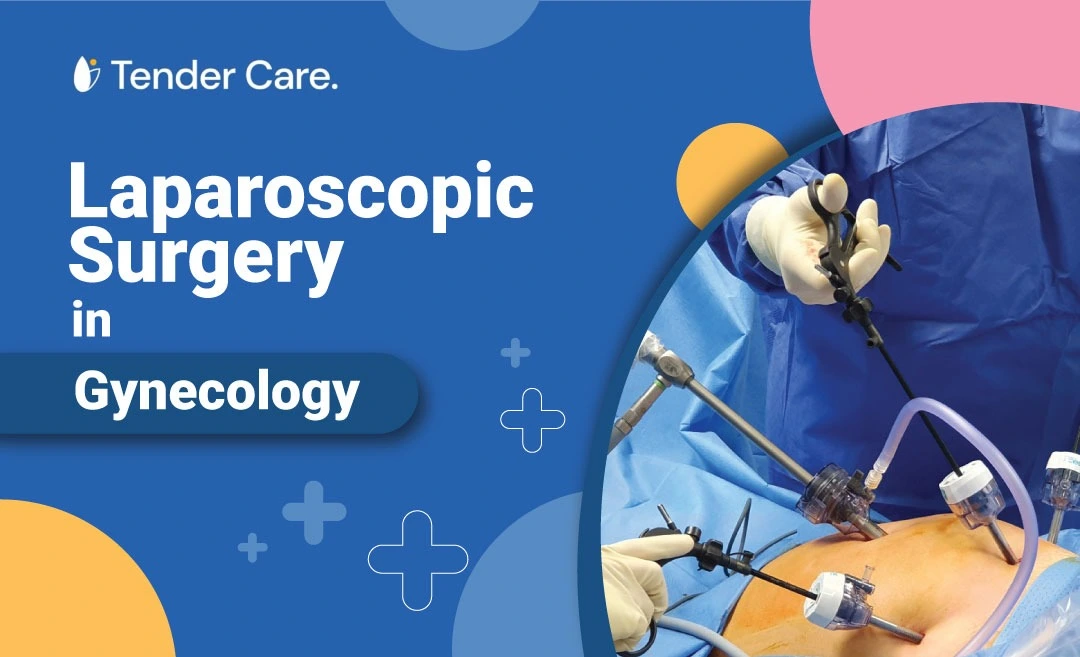
Laparoscopic surgery in gynecology is a minimally invasive surgical technique used to diagnose and treat a wide range of conditions affecting the female reproductive system. Instead of a large abdominal incision, surgeons make small keyhole cuts through which a thin camera (laparoscope) and specialized surgical instruments are inserted. The camera provides a magnified view of the pelvic organs, allowing surgeons to perform procedures with greater precision.
Compared to traditional open surgery, laparoscopic gynecological surgery offers less pain, minimal scarring, reduced blood loss, shorter hospital stays, and faster recovery, making it the preferred choice for many gynecological conditions.
What is Laparoscopic Surgery in Gynecology?
Laparoscopic surgery, also known as keyhole surgery, is an advanced procedure used to diagnose and treat disorders of the uterus, ovaries, fallopian tubes, and surrounding pelvic organs. It is performed under general anesthesia and requires only a few small incisions, usually measuring 0.5-1 cm.
A laparoscope equipped with a high-definition camera sends images to a monitor, enabling the surgeon to operate with excellent accuracy while minimizing damage to surrounding tissues.
Why is Laparoscopic Surgery Performed?
Gynecologists recommend laparoscopic surgery for both diagnostic and therapeutic purposes. It helps identify the cause of pelvic symptoms and also treats many gynecological disorders during the same procedure.
Common reasons include:
- Ovarian cyst removal
- Uterine fibroid surgery (Myomectomy)
- Endometriosis treatment
- Ectopic pregnancy surgery
- Hysterectomy (uterus removal)
- Treatment of pelvic inflammatory disease complications
- Adhesion (scar tissue) removal
- Infertility evaluation and treatment
- Removal of benign ovarian tumors
- Tubal ligation (permanent contraception)
- Diagnosis of chronic pelvic pain
- Investigation of unexplained infertility
Book Appointment Laparoscopic Gynecological Surgery
Conditions Treated with Laparoscopic Gynecological Surgery
Laparoscopic gynecological surgery is an effective minimally invasive treatment for several gynecological disorders, helping relieve symptoms, improve fertility, and promote faster recovery.
- Endometriosis: Removes endometrial tissue outside the uterus to reduce pelvic pain and improve fertility.
- Ovarian Cysts and Benign Ovarian Tumors: Safely removes ovarian cysts or non-cancerous masses while preserving healthy ovarian tissue.
- Uterine Fibroids: Treats fibroids causing heavy menstrual bleeding, pelvic pressure, pain, or infertility.
- Ectopic Pregnancy: Removes a pregnancy outside the uterus to prevent serious complications and protect reproductive health.
- Infertility and Pelvic Adhesions: Diagnoses and treats blocked fallopian tubes, scar tissue, and pelvic adhesions that affect conception.
- Chronic Pelvic Pain and Hysterectomy: Helps manage persistent pelvic pain and performs laparoscopic hysterectomy for conditions such as fibroids, adenomyosis, or abnormal uterine bleeding.
How is Laparoscopic Gynecological Surgery Performed?
Laparoscopic gynecological surgery is performed under general anesthesia using small keyhole incisions, a laparoscope (thin camera), and specialized surgical instruments to diagnose or treat pelvic conditions with high precision.
- Administration of Anesthesia: The patient is given general anesthesia to ensure a pain-free and comfortable procedure.
- Small Incisions: The surgeon makes 2–4 small incisions (0.5–1 cm) in the abdomen, usually near the navel.
- Insertion of the Laparoscope: Carbon dioxide gas is used to gently inflate the abdomen, and a laparoscope is inserted to provide a clear, magnified view of the pelvic organs.
- Surgical Procedure: Specialized instruments are introduced through the remaining incisions to perform procedures such as removing ovarian cysts, fibroids, endometriosis, or the uterus, depending on the condition.
- Completion and Closure: After the surgery, the instruments are removed, the gas is released, and the incisions are closed with sutures or surgical glue before the patient is moved to the recovery room.
Benefits of Laparoscopic Surgery in Gynecology
Laparoscopic surgery offers several advantages over traditional open surgery, making it the preferred treatment for many gynecological conditions due to its minimally invasive approach and quicker recovery.
- Smaller Incisions: Requires only tiny keyhole cuts, resulting in minimal scarring and better cosmetic outcomes.
- Less Pain: Causes less tissue damage, leading to reduced postoperative pain and lower dependence on pain medications.
- Faster Recovery: Most patients return to daily activities and work much sooner than after open surgery.
- Shorter Hospital Stay: Many procedures allow same-day discharge or require only an overnight hospital stay.
- Lower Risk of Infection and Blood Loss: Smaller incisions reduce the chances of wound infection, excessive bleeding, and surgical complications.
- Better Surgical Precision: A high-definition laparoscope provides a magnified view of the pelvic organs, allowing more accurate and safer surgery.
Types of Laparoscopic Gynecological Procedures
Laparoscopic gynecological surgery includes several minimally invasive procedures used to diagnose and treat disorders of the female reproductive system with greater precision and faster recovery.
- Diagnostic Laparoscopy: Examines the uterus, ovaries, fallopian tubes, and pelvic cavity to diagnose conditions such as infertility, chronic pelvic pain, endometriosis, and pelvic adhesions.
- Laparoscopic Ovarian Cystectomy: Removes ovarian cysts while preserving healthy ovarian tissue to maintain ovarian function and fertility.
- Laparoscopic Myomectomy: Removes uterine fibroids without removing the uterus, making it suitable for women planning future pregnancies.
- Laparoscopic Hysterectomy: Performs the minimally invasive removal of the uterus for conditions such as fibroids, adenomyosis, abnormal uterine bleeding, or uterine prolapse.
- Laparoscopic Endometriosis Surgery: Removes or destroys endometriotic tissue and pelvic adhesions to relieve pain and improve fertility.
- Laparoscopic Surgery for Ectopic Pregnancy: Treats an ectopic pregnancy by removing the pregnancy while preserving the fallopian tube whenever possible.
Recovery After Laparoscopic Gynecological Surgery
Recovery after laparoscopic gynecological surgery is generally faster and less painful than open surgery. Most women can resume light activities within a few days, although complete healing depends on the type of procedure performed.
| Procedure | Light Activity | Full Recovery |
| Diagnostic Laparoscopy | 2–5 days | 1–2 weeks |
| Ovarian Cyst Removal (Cystectomy) | 7–10 days | 2–3 weeks |
| Ectopic Pregnancy Surgery | 7–10 days | 2–3 weeks |
| Laparoscopic Myomectomy | 2–3 weeks | 4–6 weeks |
| Laparoscopic Hysterectomy | About 2 weeks | 4–6 weeks |
Recovery Tips
- Walk Early: Begin light walking within 24 hours if advised to improve circulation and reduce the risk of blood clots.
- Take Prescribed Medicines: Use pain relievers and antibiotics exactly as directed by your doctor.
- Keep Incisions Clean: Maintain proper wound care and keep the incision sites dry to prevent infection.
- Eat a Healthy Diet: Consume protein-rich foods, fruits, vegetables, and plenty of fluids to support healing and prevent constipation.
- Avoid Heavy Activities: Do not lift heavy objects or perform strenuous exercise for at least 4–6 weeks or until cleared by your doctor.
- Attend Follow-Up Visits: Visit your gynecologist as scheduled to monitor healing and ensure a smooth recovery.
Laparoscopic Surgery in Gynecology FAQs
Q. What is laparoscopic surgery in gynecology?
Laparoscopic surgery is a minimally invasive procedure that uses small incisions, a laparoscope (tiny camera), and specialized instruments to diagnose and treat disorders of the female reproductive system.
Q. What conditions can be treated with laparoscopic gynecological surgery?
It is commonly used to treat endometriosis, ovarian cysts, uterine fibroids, ectopic pregnancy, pelvic adhesions, infertility, chronic pelvic pain, and for hysterectomy.
Q. Is laparoscopic gynecological surgery painful?
Most patients experience less pain than with traditional open surgery because the procedure involves small incisions and minimal tissue damage. Pain is usually managed with prescribed medications.
Q. How long does recovery take after laparoscopic surgery?
Recovery depends on the procedure. Diagnostic laparoscopy may require 1–2 weeks, while laparoscopic hysterectomy or myomectomy generally takes 4–6 weeks for complete recovery.
Q. How long will I stay in the hospital?
Most patients are discharged on the same day or within 24 hours, depending on the type of surgery and overall health.